Common Air Conditioner Problems and How to Fix Them
During the summer peak time, the only thing you want is your air conditioner to be at your comfort level. Sometimes AC can give you problematic days and nights; however, there is always a solution for every problem. A little troubleshooting can fix the most common issues, but you need to contact a professional for maintenance and repairable problems. In this article, we will be discussing the most common AC problems, their reasons, who can fix them, and how to fix them. And also providing the tips to keep your cooling system smooth and running effectively all year round.
Here are the most common AC problems and tips on how to fix them:
1. AC Not Cooling Properly
Symptoms: AC turns on but fails to provide cooling air.
Possible Causes:
• Dirty or clogged air filter.
• Leaks and low levels of the refrigerant
• Faulty thermostat settings.
How to Fix:
• Every 1-3 months, clean or replace the air filter.
• Test that the thermostat setting is on “cool".
• If refrigerant is low, call a professional so that the refrigerant can be checked and corrected (mechanic must be certified to handle refrigerant).
Pro Tip: A dirty filter is the one cause of weak cooling performance.
2. AC Not Turning On
Symptoms: The unit doesn’t start at all.
Possible Causes:
• Tripped circuit breaker or blown fuse.
• Dead thermostat batteries.
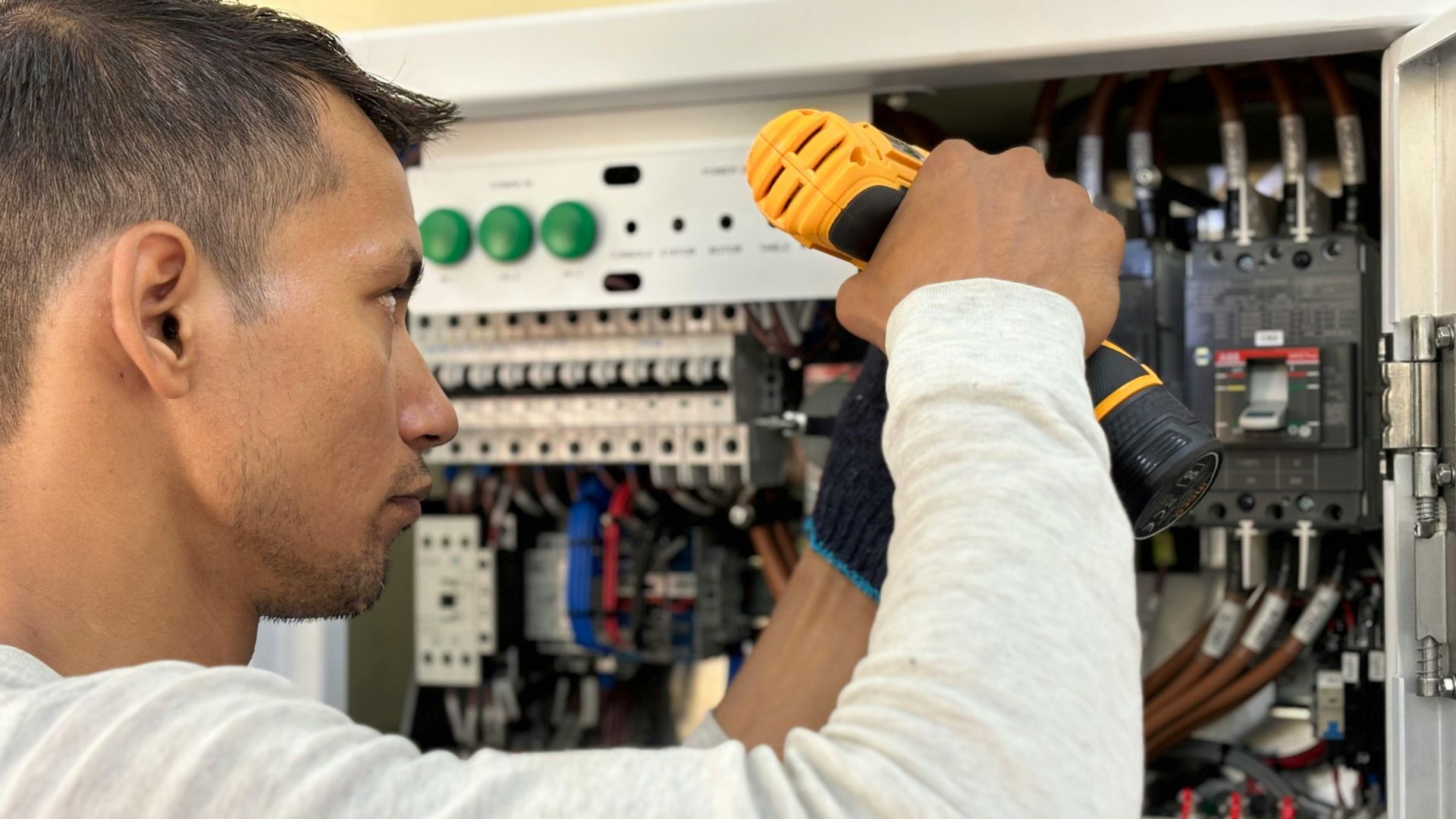
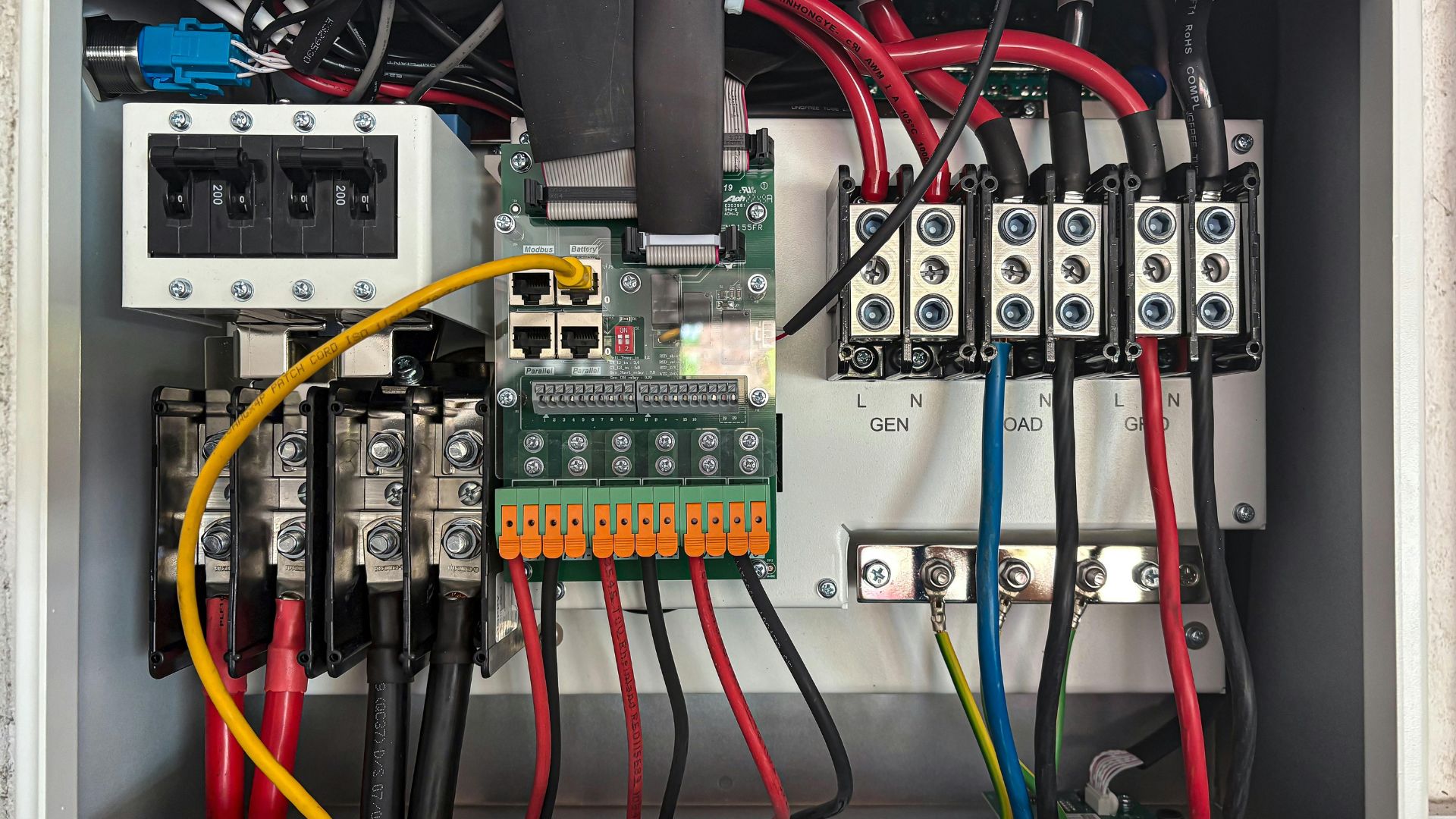
• Faulty wiring or electrical issues.
How to Fix:
• If they are, unplug the coffee maker—and possibly reset a breaker or replace a fuse.
• Change thermostat batteries and check the settings.
• Look for any signs of blisters or breaks in electrical wiring (Don't try to fix this yourself.)
3. Weak Airflow from Vents
Symptoms: Very weak, cool air emerges.
Possible Causes:
• clogged air ducts or a dirty air filter.
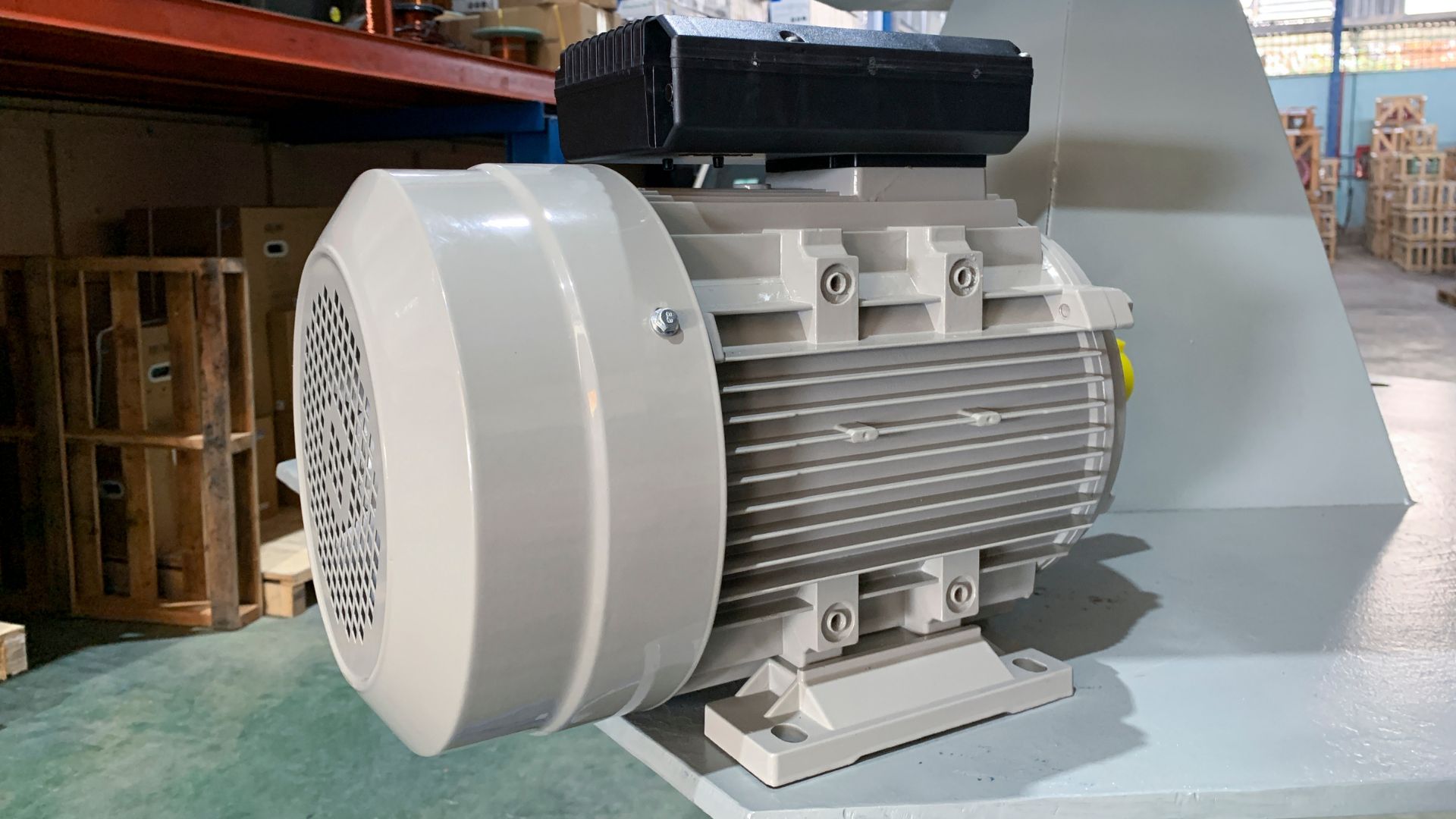
• A broken blower motor
How to Fix:
• Change the air filter.
• Clean and check ducts for obstructions.
• Make an appointment for expert maintenance if the blower motor is broken.
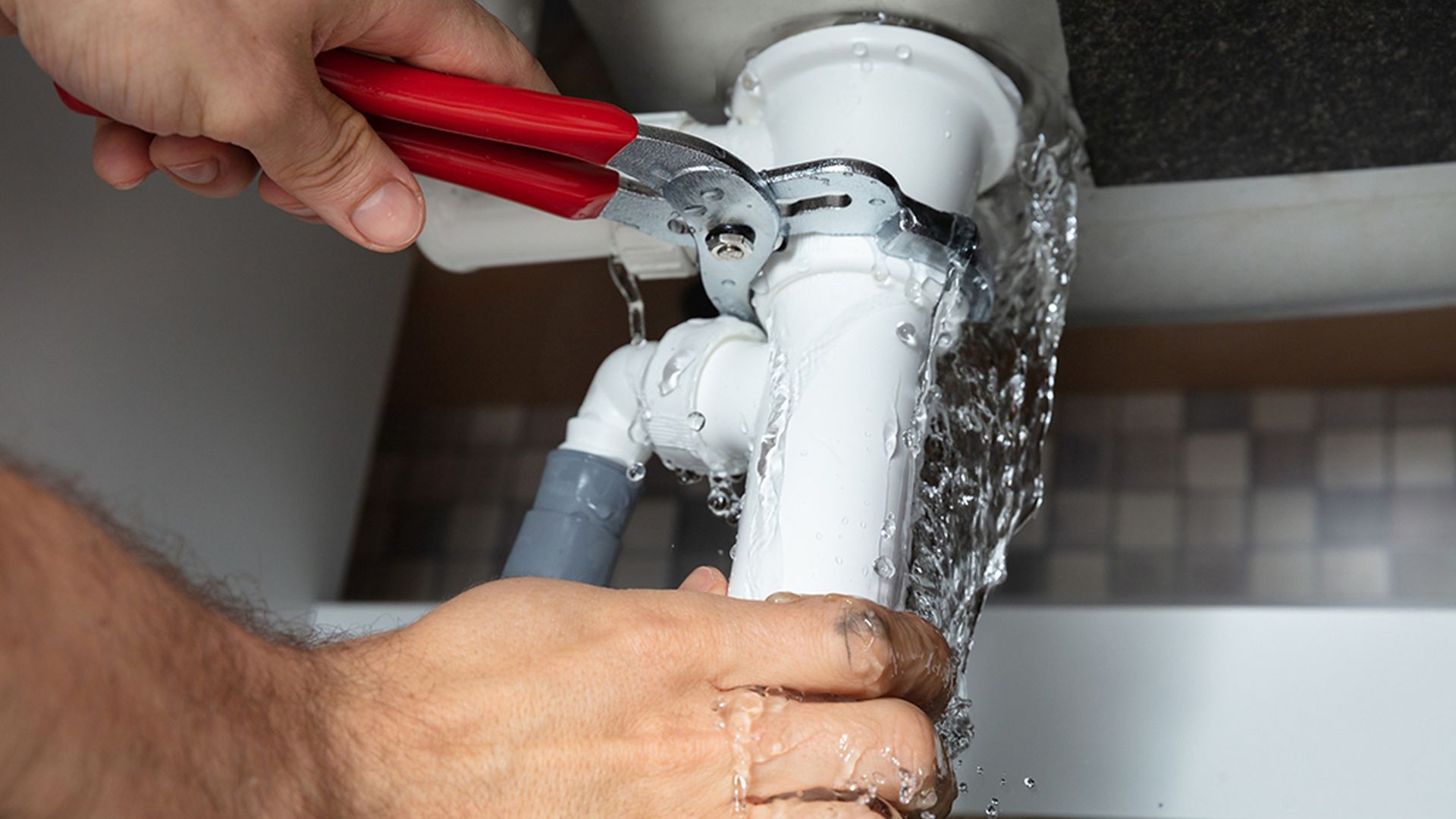
4. Water Leaks Around AC Unit
Symptoms: Water puddles surrounding the indoor unit.
Possible Causes:
• A dirty filter or clogged air ducts
• Faulty blower motor.
How to Fix:
• Clear the clogged drain line with a wet/dry vacuum.
• Before restarting, turn off the air conditioner and allow the frozen coils to thaw.
• Make sure you have enough insulation to stop freezing again.
5. Strange Noises from AC
Symptoms: AC can produce a buzzing, rattling, grinding, or squealing noise.
Possible Reasons:
• AC screws or panels may be loose.
• Worn-out fan belts or motor bearings.
• Debris stuck inside the outdoor unit.
Solutions:
• Tighten loose screws or panels, if any
• Clear debris from around the outdoor condenser.
• Change the worn-out parts carefully to avoid serious damage.
6. Bad Odours from AC
Symptoms: You may smell musty, burning, or chemical odours from the AC.
Possible Reasons:
• Mold or mildew growth inside the unit.
• The wiring circuit might burn out.
• The drain pans might have stagnant water.
Solutions:
• Replace filters and clean coils with an antibacterial cleaner.
• Check and inspect burnt wiring from electricians.
• Clean and dry the condensate pan.
7. AC Constantly Running
Symptoms: AC can run even if the room temperature is cool.
Possible Reasons:
• The thermostat setting might have been incorrect.
• Due to dirty condenser coils.
• Undersized unit for your room size.
Solutions:
• Check and reset the thermostat to maintain the desired temperature.
• Clean condenser coils to improve efficiency.
• If undersized, consider upgrading to a properly rated unit.
8. Preventive Maintenance Tips
Here are certain maintenance tips to keep your AC in perfect condition, which can save money and prevent breakdowns.
• Regularly change the air filters.
• Book annual professional servicing for the AC.
• Maintain your outdoor unit free from dust and debris.
• Use a programmable thermostat for energy efficiency.
9. When to Call a Professional for AC Repair?
Some common basic maintenance tasks can be done by do-it-yourself (DIY), but in hardware and software cases, you need an expert's help.
• Refrigerant leaks or recharge.
• Electrical wiring repairs.
• Persistent problems after troubleshooting.
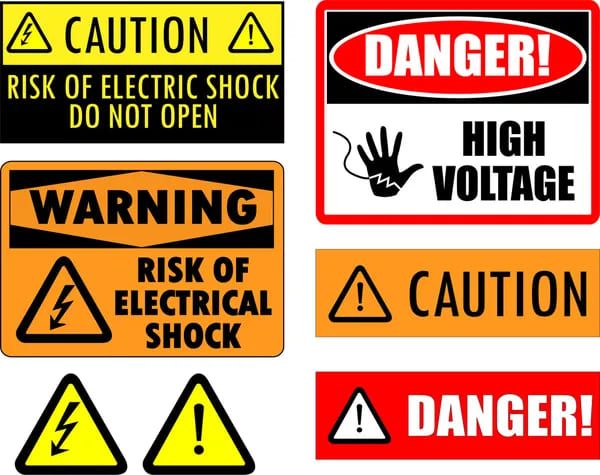
10. Safety Precautions
• Always turn off the power before opening the unit.
• Avoid handling refrigerant without certification.
• Wear gloves and protective eyewear when cleaning.
Conclusion
In this blog, we have mentioned the most common AC problems, such as dirty filters, clogged drain lines, or thermostat issues that can be solved with simple fixes. In some cases, like refrigerant leaks, major electrical problems, and complex mechanical failure, it’s better to call a professional. By combining preventive maintenance with prompt troubleshooting, you can ensure your AC runs efficiently, keeps your home cool, and lasts for years.
FAQs
Q1. How often should I change the air filter in my AC?
Every 1-3 months, clean or replace the air filter. A dirty filter is the one cause of weak cooling performance.
Q2. Why is my AC not cooling properly even though it is running?
Possible causes include a dirty or clogged air filter, leaks and low levels of the refrigerant, or faulty thermostat settings. Test that the thermostat setting is on "cool." If refrigerant is low, call a professional.
Q3. What should I do if my AC is not turning on at all?
Check for a tripped circuit breaker or blown fuse, dead thermostat batteries, or faulty wiring. Change thermostat batteries and check the settings. Look for any signs of blisters or breaks in electrical wiring (Don't try to fix this yourself.)
Q4. Why is there weak airflow from my AC vents?
It can be due to clogged air ducts or a dirty air filter, or a broken blower motor. Change the air filter and clean ducts for obstructions.
Q5. What causes water leaks around the AC unit?
A dirty filter or clogged air ducts and a faulty blower motor can cause it. Clear the clogged drain line with a wet/dry vacuum and allow frozen coils to thaw.
Q6. My AC is making strange noises. Is it serious?
AC can produce a buzzing, rattling, grinding, or squealing noise due to loose screws, worn-out fan belts, motor bearings, or debris. Tighten loose parts and clear debris. Change worn-out parts carefully.
Q7. Why does my AC produce bad odors?
Mold or mildew growth, burnt wiring circuits, or stagnant water in drain pans can cause musty, burning, or chemical odors. Replace filters, clean coils, and dry the condensate pan.
Q8. Why is my AC constantly running without stopping?
The thermostat setting might have been incorrect, the condenser coils might have been dirty, or the unit might be undersized for your room size. Check and reset the thermostat and clean condenser coils.
Q9. When should I call a professional for AC repair?
Call a professional for refrigerant leaks or recharge, electrical wiring repairs, and persistent problems after troubleshooting them.
Q10. What safety precautions should I follow while handling my AC?
Always turn off the power before opening the unit. Avoid handling refrigerant without certification. Wear gloves and protective eyewear when cleaning.