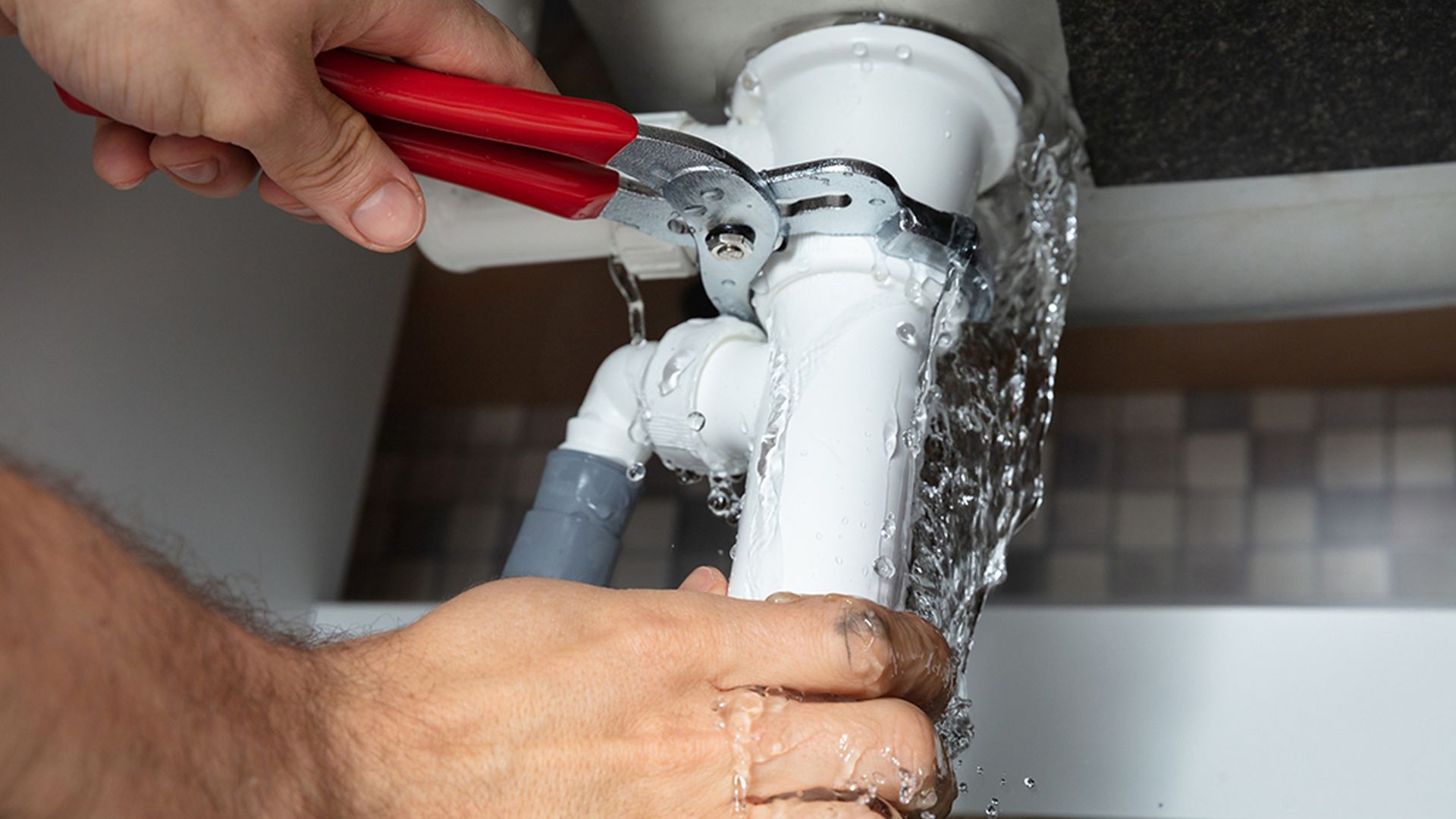
Do you know? AI is replacing many jobs, but professions like plumbing will never be replaced. It requires human effort to complete the job. Plumbing may not sound as fancy a job as other professions in countries like Nepal. But with growth in the construction field, the demand for skilled plumbers is increasing in Nepal. A plumber plays a crucial role in installing water systems to repairing sanitary pipelines, and maintaining the entire plumbing work.
For those who are looking for a career with stability, growth, and international opportunities, the plumbing profession could be the right path for them. In this article, we will guide you through the process you need to know for becoming a plumber in Nepal. You will understand the training requirements, scope, challenges, and future opportunities.
Understanding the Plumbing Profession
A skilled professional plumber who works with sanitary fittings, water supply, and drainage networks. It includes:
• Water pipeline installation and repair.
• Bathroom setup includes taps, sinks, showers, and toilets.
• Structuring and managing drainage systems.
• Work in construction fields to set up plumbing.
A plumber works for homes, offices, hotels, and industrial areas to maintain a clean water supply and safe waste disposal.
Why Choose Plumbing as a Career?
Here is why you should choose plumbing as a career.
• High Demand: With the growth of construction in Nepal, the demand for plumbers is increasing even in the international market.
• Job Security: As this is a must-have service for all, so even in an economic downturn it remains essentials.
• Self-Employment: You can start your own business or provide only a service.
• Good Earnings: With experience and foreign exposure, plumbers can earn a competitive income.
Plumber Training in Nepal
Recognized Training Providers
• CTEVT: This is the government authority that manages the vocational and technical training in Nepal.
• Affiliated Training Institutes: Community schools, technical colleges, and NGOs running plumber training.
• Private Training Centers: Training institutions like Apex Skills Academy in Kathmandu and other cities provide certified training programs.
Duration and Cost of Plumbing Training
• Basic classes start from 1.5 months, but they can be extended up to 6 months.
• Course fees: Fees for plumbing training in Nepal start from NPR 10,000–40,000, depending on the institute and students' requirements.
What are the skills you will learn as a plumber?
Technical Skills
• Pipe installation and maintenance
• Sanitary fittings installation (toilets, sinks, showers)
• Water supply system repair
• Drainage and sewage system management
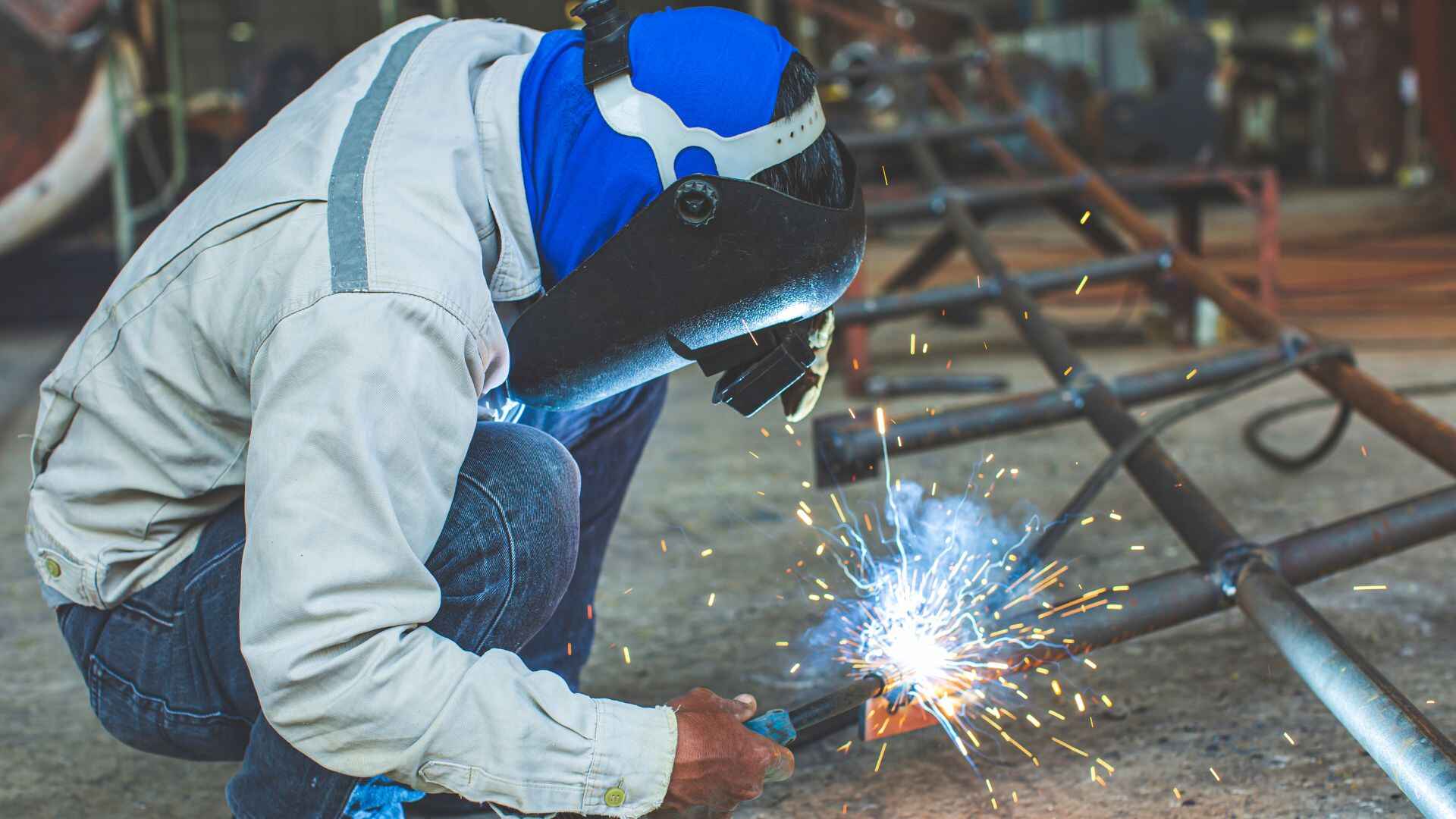
• Welding and pipe cutting techniques
Soft Skills
• Communication with clients
• Problem-solving.
• Safety awareness and hygiene practices
Certification and Licensing
CTEVT Certification
You will get CTEVT certification and even ISO certification from reputed institutions. This certification adds credibility and helps in foreign employment applications.
Value of Certification for Employment
• In Nepal, Certified plumbers are preferred by construction companies.
• Abroad: Many countries only hire certified workers for plumbing jobs.
What are the Career Opportunities for Plumbers in Nepal?
Employment in Nepal
• Construction companies
• Hotels and hospitals
• Factories and industries
• Government projects (water supply, sanitation)
Salary and Earning Potential
Nepal-Based Salary
• The salary for a beginner is NPR 15,000 – 25,000 per month
• Salary for intermediated is NPR 30,000 – 50,000 per month
• Self-employed plumbers: Income varies but can exceed regular salaries
Abroad
• The income in Gulf countries is around NPR 70,000 – 1,20,000 per month
• The income in Malaysia is approximately NPR 60,000 – 90,000 per month
• The income in countries like Europe/Japan is NPR 1,50,000+ per month
International employment offers much higher earning potential.
Challenges in the Plumbing Career
Like any profession, plumbing comes with challenges:
• Physically demanding work
• Exposure to dirt, water, and chemicals
• Irregular working hours
• Need to update skills with modern plumbing technology
But with the right safety measures and training, these challenges can be managed.
Steps to Become a Plumber in Nepal (Step-by-Step Guide)
1. Complete basic education (SEE pass or fail)
2. Enroll in a plumber training program (CTEVT or private)
3. Gain practical experience through internships or apprenticeships
4. Get certified with a CTEVT certificate
5. Apply for plumbing jobs in Nepal or abroad
6. Explore self-employment or start your own plumbing service
Future Scope of Plumbing Career in Nepal
The scope of plumbing in Nepal is only going to increase due to:
• Rapid urbanization and housing development
• Government focus on water and sanitation projects
• Growth of the hospitality and construction industries
• Rising demand for eco-friendly plumbing solutions (solar water systems, rainwater harvesting)
In short, plumbing is a future-proof career.
Conclusion
Plumbing is not just fitting the pipes; it's all about ensuring the clean water, sanitation, and comfort in people’s lives. Becoming a plumber in Nepal is accessible and highly rewarding. You can build a solid career in plumbing in Nepal with the right training, certification, and experience.
If you are a student looking for a career path after SEE or +2, plumbing could be the right choice to secure your future. Check out our course, Plumbing Training in Nepal ISO Certified, and get enrolled if you want to be skillful. Remember, skills open doors that academic degrees sometimes cannot. Explore more about plumbing training at Apex Skill Academy.
Here are some FAQs, which might be helpful to you
1. What is plumbing training in Nepal?
Plumbing training is a practical, hands-on course that teaches how to install, repair, and maintain water supply systems, sanitary fittings, drainage, and sewage systems in homes, offices, hotels, and industries.
2. How long does plumbing training take in Nepal?
The duration of plumbing training usually ranges from 1.5 months (basic course) to 6 months (comprehensive program), depending on the institute and course type.
3. Who can join plumbing training in Nepal?
Anyone can join. It is ideal for SEE graduates, school leavers, youth, construction workers, and people looking for a stable and high-demand technical career. No prior experience is required.
4. What skills will I learn in plumbing training?
You will learn pipe installation, sanitary fittings (toilet, sink, and shower), water supply and drainage systems, welding, pipe cutting, fault detection, repair techniques, and safety practices.
5. Which certificate will I get after plumbing training?
You will receive an ISO 9001:2015-certified certificate from Apex Skills Academy. Many institutes also help students obtain CTEVT certification.
6. How much does a plumber earn in Nepal?
Beginner plumbers earn NPR 15,000 – 25,000 per month. Experienced plumbers earn NPR 30,000 – 50,000 per month. Self-employed plumbers can earn significantly more.
7. Is plumbing training useful for foreign employment?
Yes. Certified plumbers have excellent opportunities abroad, especially in Gulf countries, Malaysia, Europe, and Japan, where salaries range from NPR 60,000 to NPR 150,000+ per month.
8. Can I start my own business after plumbing training?
Yes. Many trained plumbers start their own plumbing service or contracting business after gaining some experience.
9. What are the career opportunities after completing plumbing training?
You can work in construction companies, hotels, hospitals, factories, or government water & sanitation projects or work as a freelance plumber.
10. Why is plumbing considered a future-proof career in Nepal?
Due to rapid urbanization, a housing boom, government focus on sanitation, and growth in hospitality & construction sectors, the demand for skilled plumbers is continuously increasing.